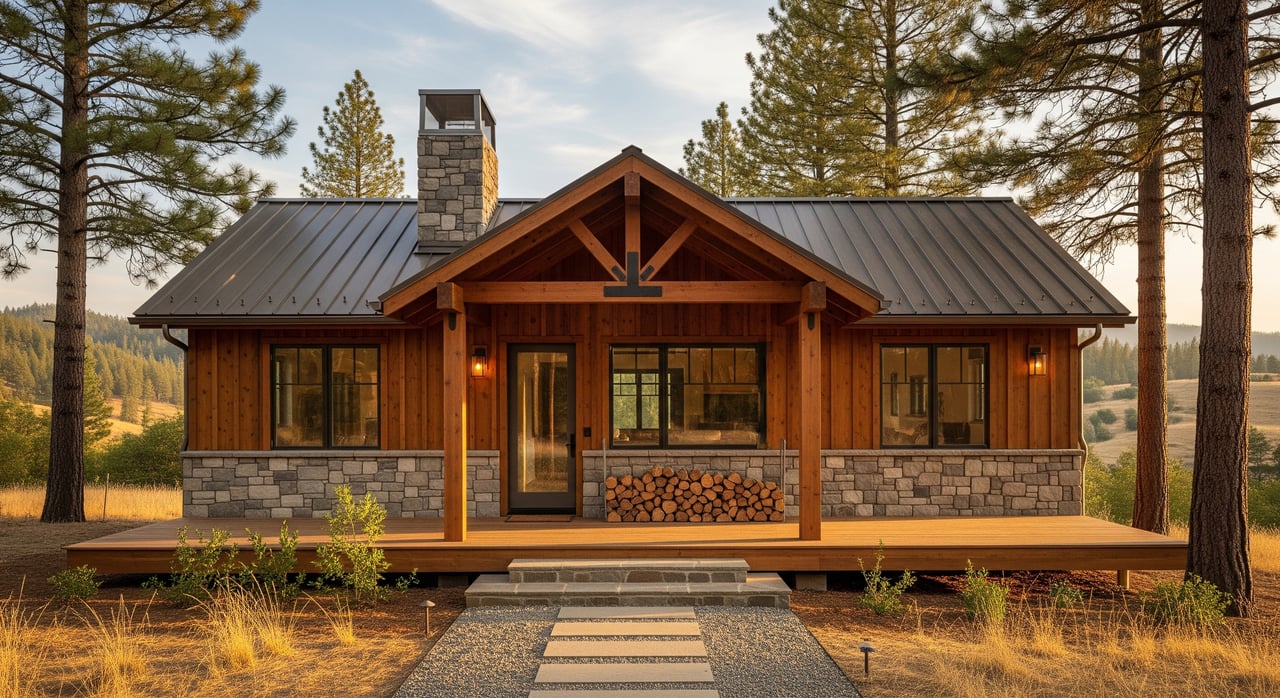
Own a cabin in Arnold but wondering what to do each season to keep it safe and ready for your next trip? Mountain weather can be hard on homes, and small tasks left undone can lead to big problems. With a simple plan, you can protect your investment, avoid surprises, and enjoy your time in the Sierra without a punch list hanging over you. Below, you’ll find a clear, local-minded maintenance calendar, system tips for wells, septic, propane, and generators, plus vendor coordination advice tailored to Arnold and Calaveras County. Let’s dive in.
Why Arnold cabins need a plan
Arnold sits in the Sierra Nevada foothills where winter snow and freezing temps can affect plumbing, roofing, and property access. Summer brings heat, dry vegetation, and wildfire risk that call for defensible space and ember resistance. Power outages are more common in storms and during Public Safety Power Shutoffs, so backup power planning matters. Many cabins rely on private wells and septic systems, which require different care than municipal services. Seasonal road conditions can also limit access, so planning ahead helps keep your cabin safe and reachable when you need it.
Seasonal maintenance at a glance
A seasonal routine lets you batch tasks and coordinate vendors at the right time. Adjust the timing based on the year’s weather.
Winter checklist (Dec to Mar)
- Protect plumbing from freeze. Shut off and drain outdoor hoses and irrigation lines. Insulate exposed pipes and hose bibs.
- If vacant for long periods, set the thermostat above freezing or fully winterize the plumbing. Consider freeze sensors or remote monitoring.
- Service heating systems. Check fuel supply and test thermostats. If using a wood or pellet stove, keep it clean and safe.
- Maintain backup power. Test generators and battery backups. Keep fuel fresh and rotate per manufacturer guidance.
- Confirm snow access. Have a snow removal plan and mark driveway edges with reflective stakes to guide plows.
- Watch the roof. If you did not address it in fall, check for damaged shingles and loose flashing that could leak under snow load.
Spring checklist (Mar to May)
- Inspect roof and gutters. Clear debris, flush downspouts, and confirm water drains away from the foundation.
- Check interiors for winter damage. Look for leaks, staining, mold, or soft drywall. Ventilate and dry any damp areas.
- Service septic and well. Schedule septic inspections on a periodic cycle and test well water quality at least annually or after repairs.
- Walk decks and stairs. Tighten railings and replace any rot-prone boards or cracked steps.
- Clean chimneys and vents. If you burned wood or pellets, remove creosote buildup.
- Top off propane if you ran tanks low during winter.
Summer checklist (Jun to Sep)
- Create defensible space. Follow local guidance to remove ladder fuels, thin vegetation, and keep the first 5 feet next to siding clear of combustibles. Larger zones can extend up to 100 feet depending on your lot.
- Trim trees and clear deadfall. Prune lower branches and remove pine needles and debris from the roof and gutters.
- Improve ember resistance. Consider ember-resistant vent screens and keep all vents clean.
- Service cooling and ventilation. Replace filters and check attic airflow.
- Prevent pests. Seal gaps, store food securely, and inspect for nests or rodent signs.
- Prep the driveway for fall rains. Maintain culverts and drainage, fill potholes, and regrade gravel as needed.
- Test alarms and extinguishers. Confirm smoke and carbon monoxide alarms work and place extinguishers where you can reach them quickly.
Fall checklist (Sep to Nov)
- Get heating ready. Schedule furnace service and an annual chimney and flue inspection before demand ramps up.
- Clean gutters thoroughly. Verify downspouts move water well away from the foundation.
- Winterize exterior plumbing. Insulate or disconnect exposed pipes and shut down irrigation systems.
- Repair the roof. Replace damaged shingles and secure flashing to prevent winter leaks.
- Stock winter supplies. Keep sand or rock salt, snow shovels, and tire chains on hand. Refill generator fuels.
- Recheck defensible space. Remove late-season debris and clear the roof again.
- Confirm snow removal contracts. Put response times, clearing priorities, and insurance details in writing.
Water, septic, heat, and power essentials
Good system care prevents most emergency calls. Use these quick guidelines as a baseline.
Private wells and water systems
- Test your well water quality at least once a year or after repairs. Schedule a pump and electrical inspection annually.
- If your cabin is on a small community system or county-managed service, follow their schedules and any boil-water advisories.
- Vendors: licensed well contractors and certified water testing labs.
Septic system care
- Inspect septic systems on a periodic cycle and pump based on inspection results. Avoid flushing non-biodegradable items or harsh chemicals.
- Reduce strain by spacing out laundry and spreading out high water use when you visit.
- Vendors: licensed septic pumpers and repair contractors. Follow EPA best-practice guidance for care and frequency.
Heating, chimneys, and stoves
Schedule an annual inspection and cleaning for chimneys, flues, and solid-fuel appliances. This reduces fire and carbon monoxide risk.
Test carbon monoxide detectors regularly and replace batteries per the manufacturer.
Vendors: certified chimney sweeps, HVAC technicians, and stove installers.
Propane systems and fuel
- Many Arnold cabins use propane for heating, hot water, and cooking. Keep a minimum fill level in winter and confirm delivery schedules.
- Ask for an annual inspection of tanks, lines, and appliances by a licensed supplier.
- Vendors: licensed propane suppliers with clear delivery and emergency refill policies.
Electrical and backup power
- Schedule an annual check of your main service and connections by a licensed electrician. Consider whole-home surge protection for critical electronics.
- Run seasonal generator load tests and maintain fuel per the manufacturer. Keep spare filters and plugs on hand.
- Utility planning: plan for outages and Public Safety Power Shutoffs and store emergency lighting and backup batteries where you can reach them.
Connectivity, alarms, and cameras
- Service options vary in the mountains and can include DSL, cable in some areas, cellular, fixed wireless, or satellite. Before leaving, test remote monitoring devices, cameras, and alarms.
- Ensure alarms have battery or cellular backup so they stay active during an outage.
Pests and wildlife
- Seal entry points at siding, vents, and under doors. Keep crawlspaces clean and dry. Store food in airtight containers.
- If you see signs of wood-destroying organisms, schedule an inspection and treatment with a licensed pest control company.
Driveway and snow access planning
- Maintain grading and drainage. Mountain driveways often need regrading, fresh gravel, and clear culverts to prevent washouts.
- Mark edges before first snow. Use sturdy reflective stakes to help plow operators avoid landscaping and culverts.
- Choose your snow strategy. Options include hiring a local plow contractor, using your own snowblower or ATV with a plow, or working through a road association. Written contracts should spell out response times, clearing priorities, damage responsibility, and insurance coverage.
- Be road-ready. Carry chains and know local chain control rules when traveling mountain highways like SR-4, and check conditions before you drive.
Vendor selection and coordination
Lining up the right help makes second-home ownership much easier. Keep a short list of reliable pros who understand mountain homes.
- Key vendors to identify: handyman, HVAC tech, chimney sweep, licensed plumber, licensed electrician or generator service, propane supplier, well contractor and water lab, septic pumper, snow removal contractor, arborist, pest control, locksmith, and insurance agent familiar with mountain homes.
- Smart questions to ask:
- Are you licensed, insured, and bonded? Can you share proof and local references?
- What is your emergency response policy and typical time window?
- Can you provide a written scope, itemized estimate, and timeline?
- What warranties do you offer on labor and materials?
- For repeat services like snow removal or propane, what are scheduling options and cancellation policies?
- For septic or well work, are you registered with applicable state or local agencies?
- Coordinating from afar:
- Keep a master property calendar with service dates, contacts, and notes. Share it with any co-owners.
- When gone for long stretches, consider a local property manager or home-watch service to perform periodic checks and meet vendors.
- Prioritize vendors who offer digital invoices, before-and-after photos, and flexible scheduling.
Documentation and insurance-friendly habits
- Save service records, inspection reports, fuel receipts, and dated photos. These help with troubleshooting, insurance claims, and future resale.
- Track defensible space work. Some insurers request proof of vegetation management, so keep receipts and before-and-after photos.
- Keep a property map with utility shutoffs and breaker locations. This speeds up repairs and reduces missteps in emergencies.
Quick visit checklist
Use this short list every time you arrive and depart.
Arrival
- Heat on and visible lines leak-free
- Water on and fixtures running normally
- Breakers on, alarms and Wi-Fi connected
- Quick walk-around for roof, tree, and driveway issues
Departure
- Thermostat set for season and length of vacancy
- Water heater and valves set per your plan (on, vacation, or off)
- Doors, windows, and vents secured against weather and pests
- Trash secured and food stored airtight
Emergency readiness
- Sign up for local emergency alerts through Calaveras County so you receive notices about weather, wildfire, or evacuations.
- Post a clear property address sign that is visible from the road. Keep brush trimmed so first responders can find you quickly.
- Keep a printed contact sheet with the local fire district, sheriff, nearest hospital, and utility outage reporting information. Add gate codes and instructions for vendors and guests.
Ready for stress-free ownership?
A practical seasonal plan will keep your Arnold cabin safe, comfortable, and ready for every visit. If you are planning a purchase or sale in Arnold or considering a move that includes a mountain home, let’s connect. Reach out to Christina Beil for thoughtful guidance on your next step and to request your home valuation.
FAQs
What should I do to winterize an unoccupied Arnold cabin?
- Keep the thermostat above freezing or fully winterize the plumbing, drain outdoor lines, insulate exposed pipes, and add freeze sensors with remote alerts.
How often should a septic tank be pumped for a part-time cabin?
- Follow periodic inspections and pump based on results, since usage varies for second homes; avoid flushing non-biodegradable items or harsh chemicals.
What belongs in a snow removal contract for a mountain driveway?
- Include response times, trigger depths, clearing priorities, damage responsibility, insurance coverage, and how access will be handled during heavy storms.
How much defensible space should I maintain around my cabin?
- Keep the first 5 feet free of combustibles and expand thinning and ladder fuel removal out to 100 feet where your lot allows, following local guidance.
How can I prepare for power outages and Public Safety Power Shutoffs?
- Service generators seasonally, store fresh fuel safely, add surge protection, and ensure alarms and cameras have battery or cellular backup.
How often should I test my private well water?
- Test at least annually or after any repairs, and schedule an annual inspection of the pump, wiring, and related equipment.